Key Differences Between a Hybrid and Plug-In Hybrid Lincoln Vehicle
August 25 2026, 360.Agency
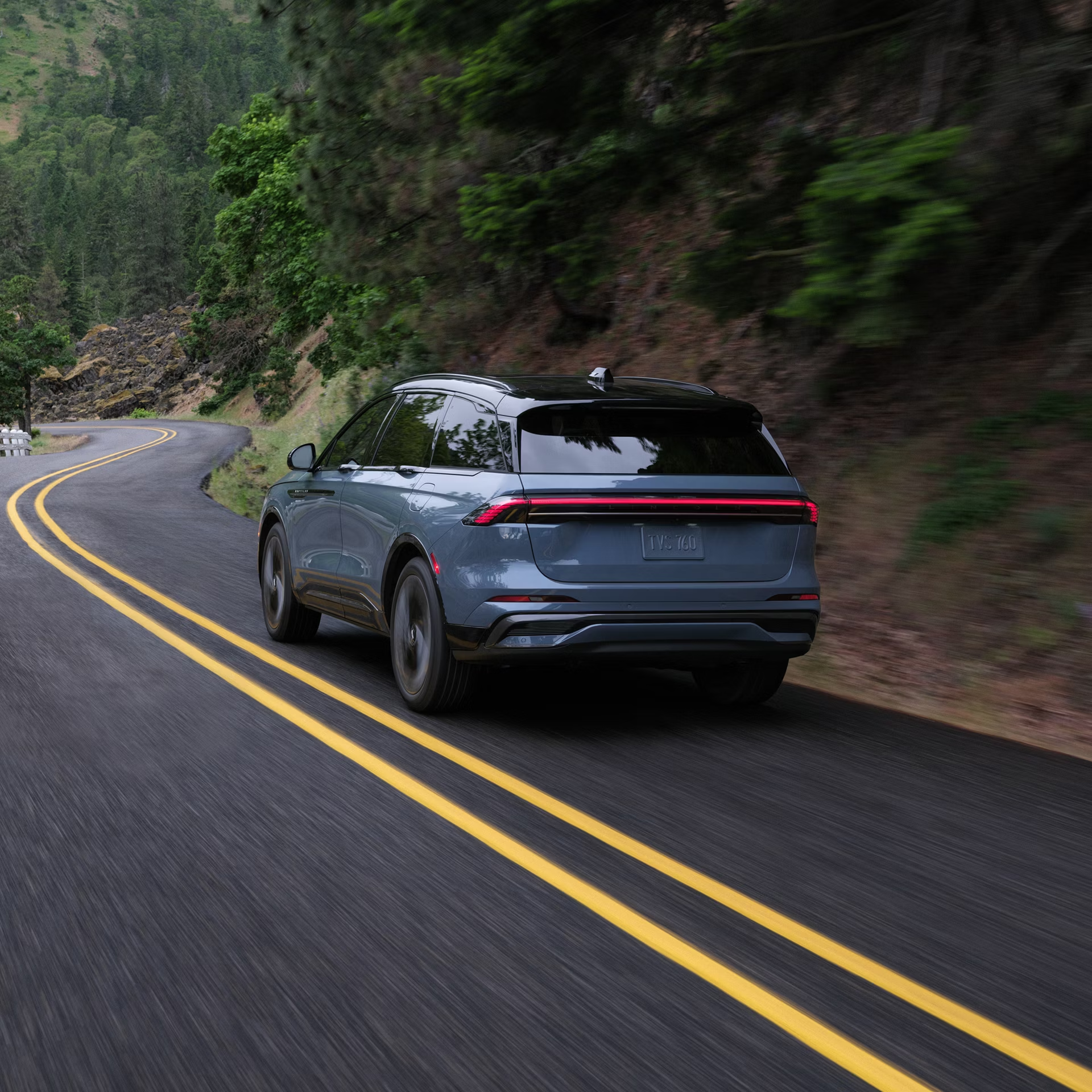
Hybrid and plug-in hybrid vehicles can both reduce fuel consumption, but they accomplish that goal in different ways. Understanding those differences is particularly important when choosing a luxury vehicle because the best solution depends heavily on how far you drive, where you drive and whether you can conveniently recharge at home.
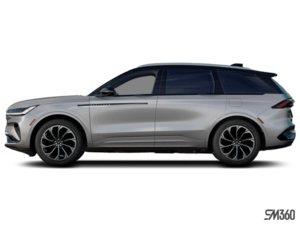
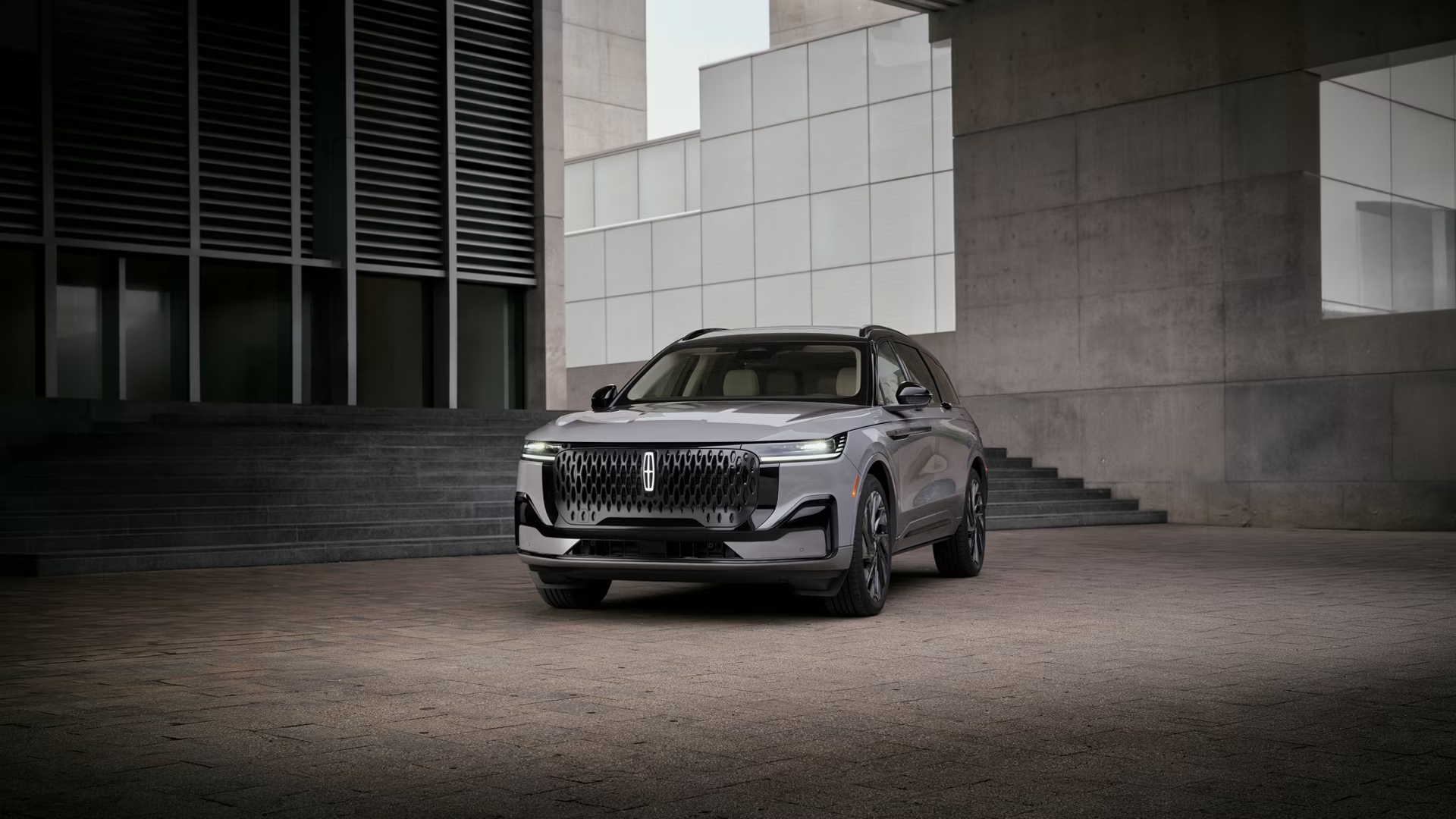
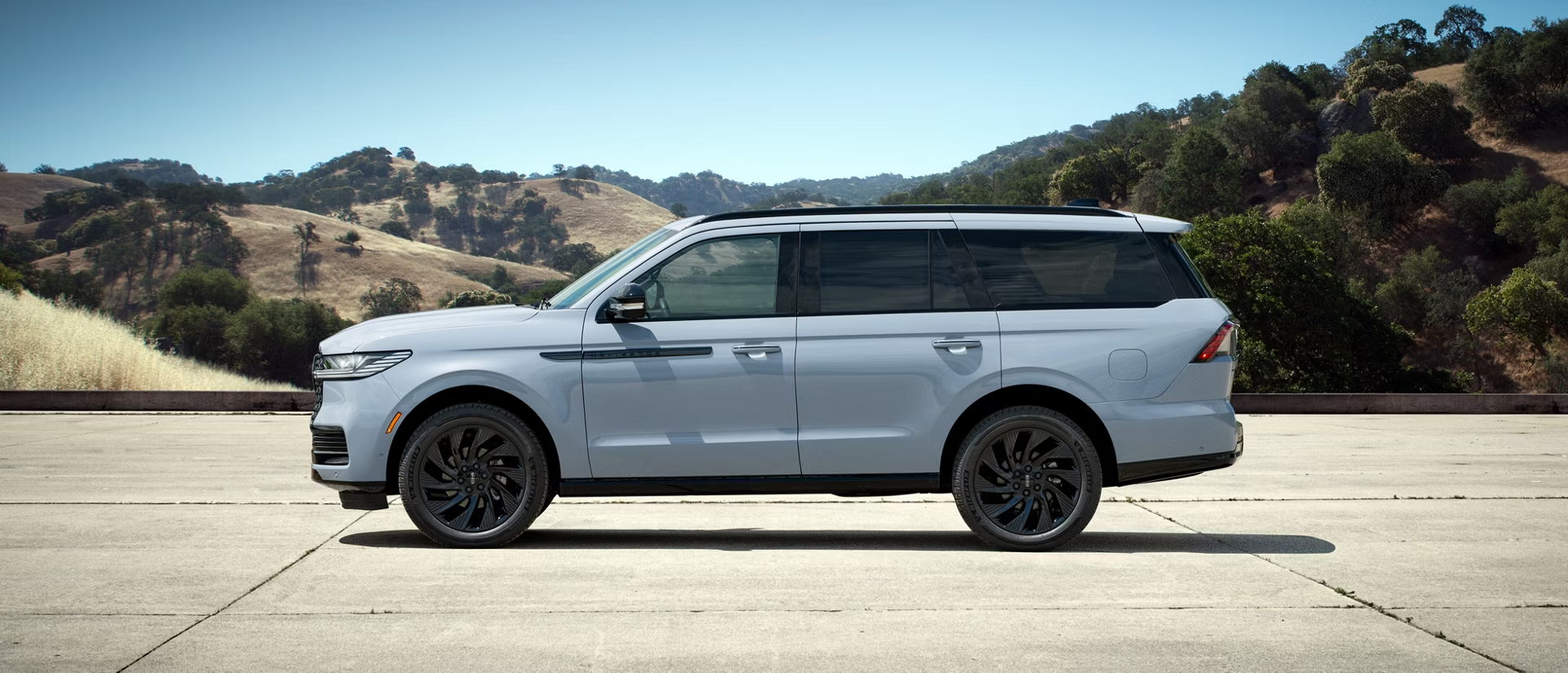
Lincoln provides good examples of both approaches. The Lincoln Nautilus Hybrid demonstrates the simplicity of a conventional hybrid, while the Lincoln Corsair Grand Touring uses plug-in hybrid technology to provide the possibility of electric-only driving combined with the flexibility of a gasoline engine.
What Is a Lincoln Hybrid?
A conventional hybrid combines a gasoline engine with an electric motor and battery. The important difference is that you do not plug the vehicle in.
The vehicle manages its electrical energy automatically, recovering energy during deceleration and braking and using the electric motor when it can improve efficiency or performance.
The Canadian-market Lincoln Nautilus Hybrid provides a useful example. Its current hybrid system combines a turbocharged 2.0-litre four-cylinder with electric assistance, all-wheel drive and a continuously variable transmission. In 2026 Canadian specification, the system produces 310 combined horsepower and is rated at 7.9 L/100 km city, 7.6 highway and 7.7 combined.
The key advantage is simplicity: drive it much like a conventional gasoline vehicle and allow the hybrid system to manage the rest.
What Is a Lincoln Plug-In Hybrid?
A plug-in hybrid, or PHEV, takes electrification a step further.
It still combines a gasoline engine and electric motor, but it uses a larger battery that can be charged from an external electrical source.
This allows the vehicle to travel using stored electricity before relying more heavily on its gasoline engine.
The Lincoln Corsair Grand Touring uses a 2.5-litre Atkinson-cycle four-cylinder plug-in hybrid powertrain producing 266 combined horsepower, paired with all-wheel drive and a continuously variable transmission. Lincoln Canada rates it at 3.1 Le/100 km combined when electricity and gasoline are considered, and 7.1 L/100 km when operating on gasoline alone.
Lincoln also provides selectable modes allowing drivers to use stored battery power or preserve it for later in the journey.
The Biggest Difference: Charging
This is ultimately what separates the two technologies.
Hybrid:
- Does not need to be plugged in.
- Charges and manages its smaller battery automatically.
- Requires essentially no change to your daily routine.
Plug-in hybrid:
- Can be connected to an external charger.
- Uses a larger battery.
- Can provide electric-only operation for suitable portions of a trip.
Delivers the greatest benefit when it is charged regularly.
Lincoln PHEVs include a dual-voltage charging cord capable of using either 120-volt or 240-volt charging.
Which One Uses Less Fuel?
The answer depends on how the vehicle is used.
A conventional hybrid can be remarkably efficient in everyday driving, particularly in urban environments where regenerative braking and frequent low-speed operation allow the electric portion of the powertrain to contribute more often.
A PHEV potentially uses considerably less gasoline if its battery is charged regularly and much of your daily travel can be completed electrically.
However, if a plug-in hybrid is rarely charged, you lose much of the advantage of carrying its larger battery. For someone without convenient home or workplace charging, a conventional hybrid can therefore be the more practical choice.
What Happens on a Long Road Trip?
Both technologies maintain one major advantage over a fully electric vehicle: you can refuel with gasoline.
Once the usable charge in a plug-in hybrid battery has been depleted, the gasoline engine remains available. That means you are not dependent on finding a public fast charger during a long trip.
A conventional hybrid works the same way it always does. Simply stop for fuel when necessary and continue driving.
This makes both technologies particularly appealing to drivers who want improved efficiency but also regularly travel long distances.
Hybrid or Plug-In Hybrid: Which Lincoln Is Right for You?
A Lincoln hybrid makes sense if you want better fuel economy without changing the way you use your vehicle. There is nothing to plug in, no charging schedule to consider and no need to install home charging equipment.
A Lincoln plug-in hybrid makes more sense if you have convenient access to charging and want the opportunity to complete more of your everyday driving using electricity while maintaining gasoline flexibility for longer trips.
Neither technology is automatically better. The right choice depends on your routine. For buyers who want effortless efficiency, a hybrid such as the Nautilus is compelling. For drivers whose daily commute suits regular charging, a plug-in hybrid such as the Corsair Grand Touring can reduce gasoline use even further while preserving the convenience expected from a Lincoln luxury SUV.